Lumo's billboards now know which of them is standing in the sun
A sun-mapping partnership feeds an hour-by-hour solar read into every screen in the network, so a campaign can trigger on the light falling on one billboard rather than on a regional weather forecast.
- What changed. Lumo's digital billboard network now carries per-screen sun and shade data, modelled against building geometry and terrain.
- Why it matters. Contextual out-of-home has mostly meant regional weather. This is the difference between knowing it is sunny in the city and knowing it is sunny on one screen at four o'clock.
- Who should care. Anyone buying out-of-home on weather triggers, and anyone selling a contextual product built on coarser data.
- What to do this week. Ask your out-of-home partner what resolution its contextual triggers actually run at.
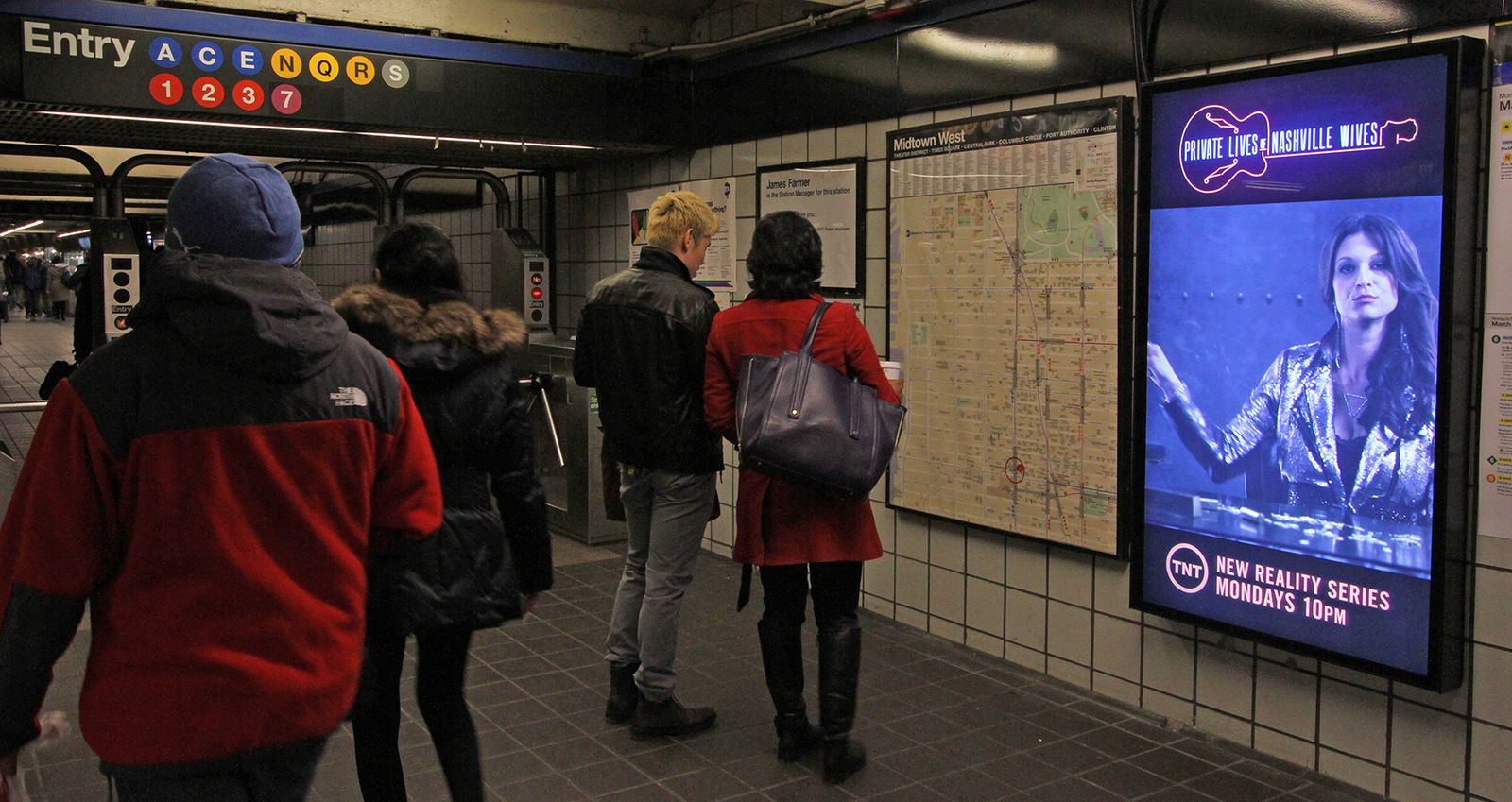
Lumo has partnered with SunSeekr, the sun-mapping app, to bring real-time sunlight and shade data into its digital billboard network. Branded 'Sunshine State', the partnership provides an hour-by-hour solar read for every Lumo digital billboard location nationally.
Forget checking whether it's merely 'sunny in the region' — SunSeekr models the sun's path against building geometry and terrain to build a continuous solar profile for each individual screen: sun angle, direct exposure, shade transitions, hours in direct light, the full picture.
That's a considerably finer instrument than a regional weather feed, and Jack Plowright, Lumo's GM of platforms and partnerships, is happy to point out the difference. "The value is in how specific this data allows us to be, and how effective DOOH is when it responds to context at the moment of reach. Weather data tells you it's sunny in Auckland. That's not the same as knowing a particular screen on a particular corner is in full sun for the next ninety minutes."
The practical upshot: brands can set delivery rules per individual screen — direct sun, pre-sunset weighting, or shade conditions — rather than relying on city-wide weather triggers. It's available for DCO builds and custom event triggers via programmatic deals.
Plowright offers the sort of scenario that makes media planners sit up: "An eyewear brand could switch to a lens-focused creative when the sun hits the billboard, a beer brand could shift to people enjoying a cold one in the sun, or a hospitality client could run a terrace message while a nearby venue is in afternoon sun, then change it as the shade moves in."
SunSeekr, which the company says launched in London in 2025, has become — according to SunSeekr and the reporting it supplied — a sizeable presence in the App Store, with over 350,000 users and a #1 ranking in the UK App Store Lifestyle category. Those figures come from SunSeekr itself; they haven't been independently verified here. The company also cites prior commercial work with brands including Aperol in the UK, again a claim attributed to SunSeekr rather than independently confirmed.
Mo Dawod, SunSeekr's founder and CEO, frames the underlying behavioural logic this way: "Sunlight changes what people do. It influences where people walk, where they sit, how long they stay and where they stop for a drink. We've seen through SunSeekr how differently people behave depending on where the sun is actually falling, not simply whether the weather forecast says it's sunny. Lumo is now taking that intelligence into DOOH."
Lumo says the solar data will also be used to improve its carbon emissions measurement, by modelling screen brightness and power draw against ambient light conditions. That's a stated future intention, not a delivered capability — no methodology or expected accuracy improvement has been disclosed.
Plowright puts the wider ambition simply: "This is part of a continued focus on giving brands better ways to reach people in a way that doesn't just consider who they are, but what's happening in the world around them."
No effective start date for the partnership has been given beyond the announcement itself, and no commercial terms have been disclosed.
- What are our weather-triggered campaigns actually triggering on, and at what resolution?
- Would a per-screen trigger change the creative we run, or only the timing?
- Who checks that a contextual claim from a media owner is real?
Watch whether advertisers use the per-screen data to change creative rather than only to shift budget, and whether other networks answer with the same resolution.
Sources
- StopPress (single source; quotes supplied by Lumo and SunSeekr, and the figures for user base and App Store ranking are the companies' own, not independently verified)